
Wellbeing for Young Learners
Art Therapy with Children
By Jordan Rozanski
Art therapy is possibly one of the most effective ways to encourage self-actualisation and greater wellbeing in most children and adolescents. Effective therapeutic art practice can lead to improved self-acceptance, satisfaction, positive relations, environmental mastery, personal growth, autonomy, life purpose and self-transcendent experiences.
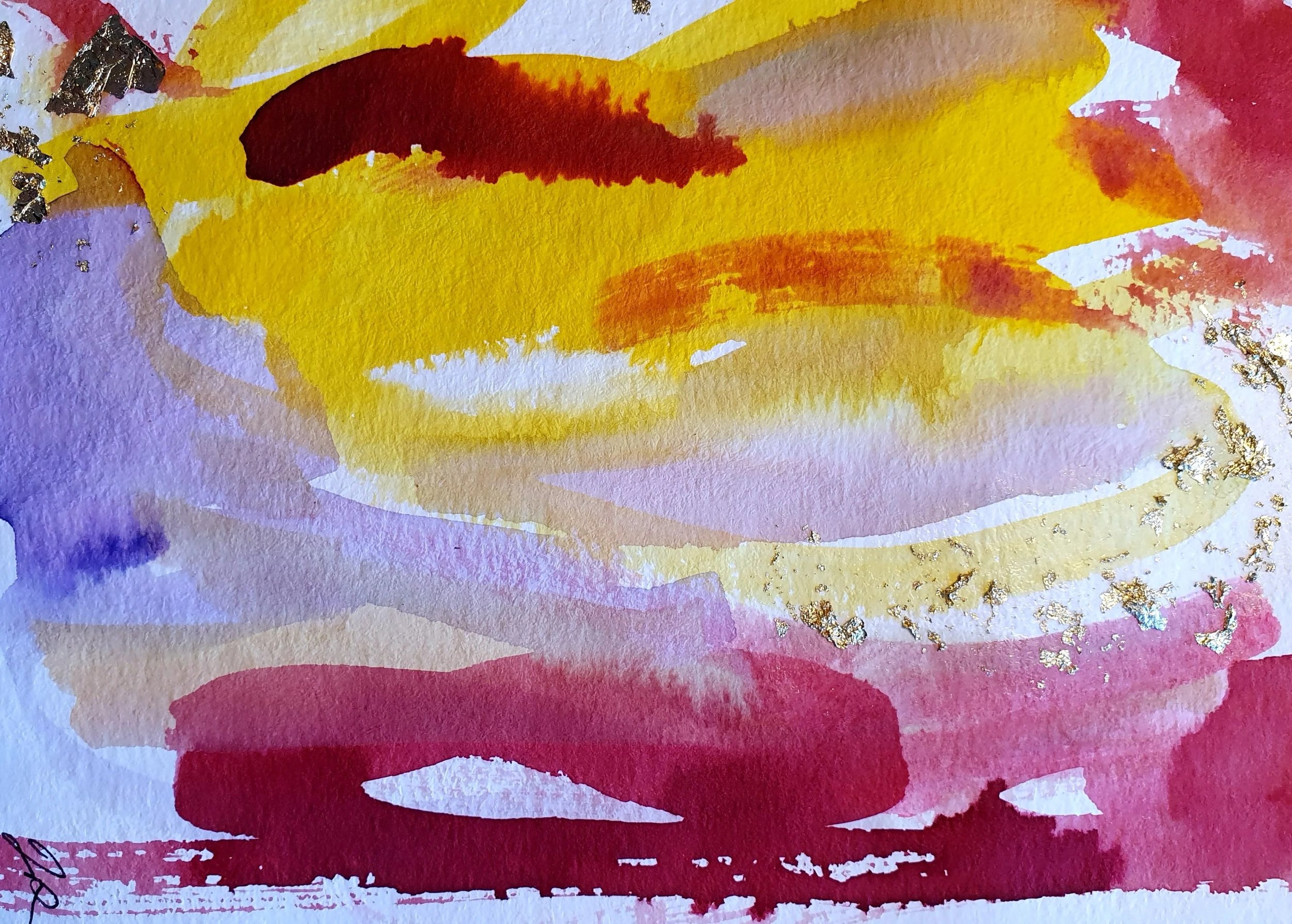
Art therapy is an experienced form of treatment, where participants use art materials and guidance from an art therapist to support their self-expression. Through working together with an art therapist, children can develop more positive physical and psychological changes. For example, art therapy can improve young people’s brain function, stress levels, self-esteem, creative expression and self-motivation. The key processes underpinning cognitive and emotional changes in children via art therapy are: The client and the therapist working together as a team, by using the participant’s artwork as a communicative resource. Secondly, the practitioner’s ability to suitably empower the child to discover and learn new ways of being that supports their own growth.
The person-centred approach to counselling was developed by well-known humanistic psychologist Carl Rogers. His belief was that the role of the therapist was to be open, empathetic, honest, and caring to facilitate the growth of the individual through therapy. Rubin (1987) supports this notion: Rogers believed that:
“…the best way to understand people is from people themselves and their own internal frames of reference.” (p. 227).
This paper will firstly explore a range of contextual parameters relating to art therapy with children, inclusive of worldviews, experiential factors, also modes and impact. Secondly, various approaches to art therapy will be evaluated in terms of the positive changes they may have on children. For example, cultural relevance, resources, perspectives and techniques. Finally, the benefits of art therapy with children will be analysed, in terms of experienced trauma and other related influences, brain activity, ways of being, mood and behaviour processing and regulation.
For most children, art therapy can support the development of their personhood by improving self-awareness and understanding. With effective practitioner guidance, children can also create self-determined ways of developing more satisfying, fulfilled lives by holding the knowledge, courage and self-reliance to manifest and manage positive life changes.
Context
Quality of life
The essay is underpinned by the principle that every person is fundamentally oriented towards achieving an improved quality of life, their needs and desires are unique and personalised things and simultaneously, more in common with each other than not. Gray, (2019) reflects on what is required to achieve a ‘good life’:
“… a great deal of what makes life worth living is actually dependent upon how we view ourselves and the world. How we feel and what we think.”(p. 17).
From this perspective, it can be regarded that self-development in general is our crowning investment.
Visual learners
Many young people already understand and value the advantages of intellectual prowess, as well as benefits for health and mood from physical movement. Developing heightened understanding visually is widely popularised through diagrams, graphs, tables, films, documentaries, teaching demonstrations, though possibly not as explicitly recognised as a specific or preferred learning style or human intelligence, compared with others such as linguistic, logical or interpersonal. A publication from software company, Atlassian (2023) indicates that most people are visual learners:
“Research has found that 65 percent of the general population are visual learners, meaning they need to see information to retain it.” (p.1).
Furthermore, visuals add depth of meaning and understanding to communication in a way that written, verbal or mathematical methods do not. Studies collected by Atlassian (2023) also indicate that human brains can process layered and complex meaning via video and image, 60,000 times faster than text. This highlights the potential for making art and drawing on artwork as a tool for reflecting on life to better learn from it.
Regulating worry
Now is as good a time as any to improve focus and clear sightedness with art therapy. In our information age, access to telecommunications, data, footage and commentary of events occurring around the globe has rapidly evolved and is constantly becoming increasingly accessible. Essentially, individual and community awareness of complex things beyond our circles of influence has grown significantly. The technical evolution has moved faster over the last 30 years than our biological evolution as a species over the past 300,000 years. Much of our psychological conditioning as homo sapiens has evolved over the years to protect us and help us survive. For example, worrying is an expression of evolutionary adaptive desire to prepare ourselves for the future and avoid problems. Hoffman (2012) noted that:
“Worrying … is an attempt to control the uncontrollable.” (p. 115).
From here, it can be inferred that with increased awareness about problems impacting our own communities that are still beyond our own control can grow our propensity for worry.
Trauma
Some young people doing artwork, reflecting, and making meaning with the guidance of an experienced practitioner may be coming to the space with experience or histories of trauma and / or abuse. It’s helpful for practitioners to use trauma informed approaches with counselling and art therapy as this can have a great impact on the children’s experience and therapeutic value. Blue Knot (2023) note how acknowledging resilience is important.
“Survivors often have many strengths but can find it hard to recognise them and build on them”. (p.1).
The value of trauma informed approaches is not only limited to people who have been exposed to it. Childhood trauma is likely more common than we know. Kezelman et al., (2015) cited in Blue Knot (2023). “In Australia one in four adults – approximately 5 million people – are estimated to have experienced significant childhood trauma. This trauma occurred in their home, family, neighbourhood, or within institutions”. Furthermore, when it comes to child abuse, this often goes unreported and therefore is certainly more prevalent than statistical reflections. “Children who are abused develop negative beliefs about themselves, their place in the world and other people. These beliefs can persist as an adult” (Blue Knot 2023, p.1). Trauma-informed approaches are strengths-based and can help.
Characteristics of the discipline
There is a considerable body research describing participant’s graphic projections in psychological practice. The purpose of therapeutic art practices can vary vastly including, educational, forensic, rehabilitation, and psychiatric. Ulman, E. (2001) points to the ‘peculiar nature’ and ‘potency’ of the complex and subtle discipline based on the unique challenge art therapy presents for psychiatrists to tighten the classification of the discipline.
Settings
Considerations for art therapy practice can change depending on client’s needs and across different settings and systems. i.e., school, hospital, clinics and private practice. Metzl, E. (2022) explains how art resources are helpful for enhancing, guided therapeutic techniques. A common factor across the varied practice styles is the commitment to participant’s freedom of expression, through holding a structured space of safety, trust, empathy and validation.
Efficacy
When it comes to the clinical and cost-effectiveness of art therapy for non-psychotic mental health disorders, Uttley, L. et. al., (2015) report that mental health problems account for almost half of all ill health in people under 65. Additionally:
“Art therapy was associated with significant positive changes relative to the control group in mental health symptoms in 10 out of the 15 studies” (p. v).
Studies also indicate that verbal therapy is more effective than art therapy alone. This emphasises the value of the participant and therapist relationship, discussions, achievement and sense of ‘flow’, during clinical experiences. Qualitative findings in many of the studies indicated that art therapy promoted control over real-life situations and emotions and provided a safe place to express fear and anger.
Approaches
Cultural relevance
Regarding therapeuticapproaches to art therapy, understanding the cultural perspectives underpinning a participant’s involvement, as much as possible is key. For example, priorities, frameworks and worldviews can depend largely on a person’s context. What is fitting for one, may not be for another. For example, cultural values about money and how it is managed appropriately will vary for a migrant with a high income to a citizen of the same country with a low income. An individual’s behaviour is best understood in light of their cultural perspective (Comer & Comer, 2021). This is important to be mindful of when practicing clinically.
Image as a resource
‘A Birds Nest Drawing’ an art-based assessment to assess attachment security. Kaiser, D & Deaver, S. (2011). An art therapist can use the child’s drawing as a basis for guided questions, the image can also be used to triangulate with the story for making meaning. Practitioners may face resistance from children who would rather be sovereign than subjects of analysis. Giving participants a sense of choice by suggesting options can be effective for maintaining a healthy, cooperative dynamic. At the core, every practice relies on discipline and trust. Building relationships based on mindful and respectful language helps generate a mutual integrity. Children can sometimes feel helpless with the use of well-meaning, ‘paternal’, ‘superior’ or ‘commanding’ tones as it implies, they are incapable of self-organising or unworthy of being given the opportunity to do so. Change occurs during physical involvement with materials, making a significant art object, sublimation of feelings into images and communication with the therapist via the art object (Waller, D., (2006). Recognising the value and contextual information of each person is key for positive outcomes.
Non-verbal techniques
Art therapy has substantial credentials as an effective way of working with children (and adults) who are often (for complex reasons, including fear, shame and lack of adequate language) unable to verbalise their experience. (Liebmann, cited in Alavinezhad, 2014). Talwar, S. (2007) notes that:
“In trauma treatment it is not the verbal account of the event that is important, but the non-verbal memory of the fragmented sensory and emotional elements of the traumatic experience”. (p. 23)
Non-verbal techniques can be useful for prevention, screening, assessment and treatment of sexual abuse in children as creative activities allow survivors to access, construct, and process trauma cognitively, affectively, and through the senses, which assists to reduce evasion that often accompanies traumatic memories (Lev-Wiesel, R., Goldner, L., & Daphna-Tekoah, 2022).
Interview strategy
Offering children, the opportunity to draw seems to be a robust interview strategy. It is important to recognise that children’s explanations of what drawings are about is more important than directly interpreting on a perceived meaning Driessnack, M. (2005). This is because speculating about what another person is thinking and feeling can cause harm if it’s inaccurate and there is also no proof or way to effectively validate the assumption. Art therapy offers an integrated approach treatment with a focus on mental and emotional complications (Mittal, et. al., 2022).
Solution-focused
Solution-focused therapy is an emphasis on encouraging existing means and past achievements as opposed to ‘weeding out’ psychosocial deficits. It supports participants to explore connections between thoughts, feelings, and behaviours. Promotes development of healing symbols for recovery. Art therapy can operationalise solution focused techniques. This occurs via facilitating motivation and constructing solutions that create change. (Matto, et. al., 2003).
Therapist perspectives
The instrument of the therapy is the self of the therapist in harmonious practice with the self of the client. Creative enterprise, coupled with relationship transference frames what occurs in art therapy. Wadeson, cited in Rubin (1987) explores how the therapeutic endeavour is a creative enterprise.
“Since the selfhood of each therapist is unique, each children’s creative work in this realm will bear the imprimatur of that self, with all its life experience influencing each moment of the therapeutic relationship”(p. 479).
Violent images
When it comes to working with adolescents’ and violent imagery, it can be useful to again avoid immediately assigning warning signs of pathology or disturbance to the participant and consider possibilities of the participant expressing existential feelings in a visceral way that could be a way of subjugating thoughts, feelings or actions that are not productive or possible in functional adult society Malchiodi, C. (2003).
Benefits
Identifying dysfunction in the family
A study conducted by Nielsen et. al., (2021) refers to a child and adolescent mental health service, noting how art works can reveal hidden dysfunction in the family:
“Family art therapy has been particularly useful in identifying undiagnosed and / or sub-threshold mental illness in the parent, which interferes with the young person’s capacity to make progress. Given the high prevalence of trauma histories and other reasons for problems with verbal expression of emotions in this population and their families, the use of art therapy is increasingly demonstrating its effectiveness” (p.157).
This kind of work can be particularly important for identifying risks to child safety and may possibly lead to referrals if needed. At a minimum, family participants may develop clearer insights about their impacts on other members of the family holistically. Recognising blockages can give way to developing deeper solutions with continued focus.
Psychosocial improvements
Art therapists can adapt their approach to best suit children’s needs and circumstances (Bosgraaf et al., (2020). For example, results of a psychological study conducted by Lavric & Soponaru (2023) indicated that:
“…the group art therapy program had a significant effect on all dependent variables studied, namely anxiety, empathy and prosocial behaviour, in the sense of decreasing anxiety and increasing the level of empathy and prosocial behaviour, respectively” (p.616).
Art therapy supports positive social emotional development as it enables a space for children to deeper experience and process their emotions.
Neurodiversity
Malchiodi, (2003) refers to how beneficial art therapy can be for children who have autism.
“Art therapy group activities can also provide a forum for siblings and parents to garner support from each other to identify better ways to cope with a child who has autism” (p.204).
Artistic activities have a positive effect on interpersonal interactions. Combining multiple arts in therapy is more beneficial than using just one. Wypyszyńska, (2021).
Trauma and Abuse
Art therapy may benefit children who have experienced trauma or who have post-traumatic stress disorder (PTSD) symptoms Braito et. al., (2021). Trauma, especially in childhood, can have a profound impact on a child's ability to process and communicate their emotions and experiences verbally. Non-verbal, expressive therapies provide alternative channels for expression and healing, offering more accessible expression opportunities for children with limited verbal ability, safety and control, release of pent-up emotions and emotional regulation. Art therapy also offers support with emotional regulation, symbolic expression, brain integration and provides a non-threatening environment.
Young children, particularly those who have experienced trauma, may not have fully developed language skills or might be reluctant to talk about their experiences due to fear, shame, or a lack of understanding. Expressive therapies, such as play therapy or art therapy, allow children to express themselves without relying solely on words, making it easier for them to communicate their feelings and experiences.
In expressive therapies, children are encouraged to lead the sessions, giving them a sense of agency and control over their healing process. They can choose how they express themselves and what activities to engage in, fostering a sense of safety and empowerment. Therapies provide a healthy outlet for releasing pent-up emotions, helping children to process their trauma and reduce emotional distress. Antonio Damasio cited in Talwar, S. (2007) notes:
“We use our minds not to discover facts but to hide them” (p.22).
Children might struggle to articulate their trauma experiences directly, but they may use symbols, metaphors, or creative representations to convey their emotions and thoughts. In art therapy, for example, a child might draw a picture that indirectly represents their trauma, allowing the therapist to understand and address their feelings in a more sensitive and supportive way. Paul Klee, cited in Talwar, S. (2007) says:
“Art makes the invisible visible” (p.22).
Expressive therapies can facilitate brain integration, helping children connect their emotional experiences with cognitive processing, leading to more comprehensive healing. (Malchiodi, C 2001). Expressive therapies create a non-threatening environment where children can engage with the therapeutic process at their own pace, reducing the risk of re-traumatisation. (Lev-Wiesel, et. al., 2022). While non-verbal, expressive therapies can be highly effective, they are not always a substitute for verbal therapies. (Sesar et. al., 2022). A combination of approaches may be beneficial, depending on the child's unique needs and preferences. (Klorer, P., 2005).
Naturalistic Approaches
Nature-based art therapy is a therapeutic approach that combines connecting with nature and creative expression that supports children in their emotional, psychological, and spiritual well-being. This form of therapy can have various positive effects on spiritual connections, brain waves, stress, and self-esteem. Nature has long been associated with spiritual experiences and a sense of connectedness to something greater than oneself. This immersion can promote feelings of awe, wonder, and reverence, fostering a deeper connection with nature and the spiritual aspects of life.
Engaging in creative activities, such as artmaking, can lead to changes in brain wave patterns. When a person is involved in the creative process, their brain often enters a state of focused attention and relaxation. These brain wave patterns are associated with a sense of calmness, increased self-awareness, and access to the subconscious mind.
Combining these two elements in nature-based art therapy can have a synergistic effect in reducing stress and promoting overall well-being. The connection to nature and the environment can also instil a sense of belonging and interconnectedness, contributing to a more positive self-image. Additionally, completing art projects and witnessing their creative achievements can boost feelings of accomplishment and self-worth.
Clendenen (2013) refers to … Viriditas, Hildegard’s rich symbolism, which translates to the greening power of all creation: the green life force of the world. Viriditas, a concept that most creatively captures the importance of colour in.
“Creation is greened through the mystery of dew and moisture. The ‘wetness’ of Viriditas was essential to life in both spiritual and earthly realms. It bears a natural resemblance to the verdant look of creation: The greening of creation mirrors the greening of the human soul”. (p. 43).
Nature-based art therapy can be a powerful tool in supporting spiritual connections, facilitating changes in brain waves that promote relaxation and self-awareness, reducing stress levels, and improving self-esteem. By integrating the healing power of nature with the creative expression of art, children can experience a holistic and enriching therapeutic experience that nurtures their mind, body, and spirit. Kang et. al., (2021).
Summary
Art therapy facilitates cognitive and emotional transformations in children through two fundamental processes. Firstly, the collaborative partnership between the client and therapist, using the participant’s artwork as a means of communication. Secondly the practitioner’s skilful empowerment of the child, enabling them to explore and acquire nuanced ways of being that promotes personal growth, unique to the individual.
Clendenen (2013) noted how Jung thought it safe to say that in over thirty years of clinical practice every one of his client’s suffered illnesses because of their dislocation from inner meaning; none of them healed apart from regaining a religious outlook on life. Healing means re-establishing a connection with the transcendent, the spirit within, which as Ann Ulanov says:
“… brings with it the ability to get up and walk to our fate instead of being dragged there by a neurosis” (p. 42).
In summary, art therapy holds significant potential as a highly effective approach for fostering self-realisation and enhanced overall wellbeing in most children and adolescents. Through inspired and insightful clinical techniques, art therapy can enable children to cultivate greater self-awareness and equip them to better navigate positive transformation in their lives.
References
Alavinezhad, R., Mousavi, M., Sohrabi, N. (2014) Effects of art therapy on anger and self-esteem in aggressive children. Procedia – Social and Behavioural Sciences, 113, 111-117.
Bacus et al., (2022) Play, art, music and exercise therapy impact on children with diabetes. Irish Journal of Medical Science, 191, 2663-2668.
Blue Knot. (2023) What is Complex Trauma? Blue Knot. Retrieved June 23, 2023, from https://blueknot.org.au/resources/understanding-trauma-and-abuse/what-is-complex-trauma/
Blue Knot. (2023) What is Childhood Trauma? Blue Knot. Retrieved June 23, 2023, from https://blueknot.org.au/resources/understanding-trauma-and-abuse/what-is-childhood-trauma/
Blue Knot. (2023) What is Child Abuse? Blue Knot. Retrieved June 23, 2023, from https://blueknot.org.au/resources/understanding-trauma-and-abuse/what-is-child-abuse/
Bosgraaf et. al., (2020) Art Therapy for Psychosocial Problems in Children and Adolescents: A Systematic Narrative Review on Art Therapeutic Means and Forms of Expression, Therapist Behaviour, and Supposed Mechanisms of Change. Frontiers in Psychology, 11, 2-32.
Braito et. al., (2021) Systematic review of effectiveness of art psychotherapy in children with mental health disorders. Irish Journal of Medical Science, 11, 1369-1383.
Clendenen, A. (2013) Encounter with the unconscious, Jung Journal: Culture and Psyche, 3 (1), 39-56.
Comer, R. & Comer, J. (2021) Abnormal Psychology – 11th Ed. New York: Macmillan. pp. 72-80.
Driessnack, M. (2005) Children’s Drawings as Facilitators of Communication: A Meta-Analysis. Journal of Paediatric Nursing, 20 (6), 415-423.
Gray, R. (2019) Art Therapy and Psychology: A Step-by-Step Guide for Practitioners. London: Routledge. pp 17-29.
Hofman, S. (2012) An Introduction to Modern CBT Psychological Solutions to Mental Health Problems. Oxford: Wiley Blackwell. pp. 105 – 119.
Kaiser, D & Deaver, S. (2011) Assessing Attachment with the Bird’s Nest Drawing: A Review of the Research, Art Therapy: Journal of the American Art Therapy Association, 26 (1), 26-33.
Kang, S., Kim, H., & Baek, K. (2021) Effects of Nature-Based Group Art Therapy Programs on Stress, Self-Esteem and Changes in Electroencephalogram (EEG) in Non-Disabled Siblings of Children with Disabilities, International Journal Environmental Research and Public Health, 18, 1-10.
Klorer, P. (2005) Expressive Therapy with Severely Maltreated Children: Neuroscience Contributions, Art Therapy: Journal of the American Art Therapy Association, 22 (4), 213-220.
Lavric, M. & Soponaru, C. (2023) Art Therapy and Social Emotional Development in Students with Special Educational Needs: Effects on Anxiety, Empathy, and Prosocial Behaviour, Revista Româeascǎ pentru Educaţie Multidimensionalǎ, 15 (1), 606-621.
Lev-Wiesel, R., Goldner, L., & Daphna-Tekoah, (2022) The Use of Creative Art Therapies in the Prevention, Screening, and Treatment of Child Sexual Abuse, Journal of Child Sexual Abuse, 31 (1), 3-8.
Malchiodi, C. (2007) The Art Therapy Sourcebook – 2nd Ed. New York: McCraw Hill. pp. 219-244.
Malchiodi, C. (2003) Handbook of Art Therapy. New York: The Gilford Press. pp. 362-375.
Malchiodi, C. (2001) Using Drawing as Intervention with Traumatised Children, Trauma and Loss: Research and Interventions, 1 (1), 1-13.
Mattis, C. (2023) ‘Libertad’. Retrieved October 1, 2023, from https://camilomattis.com/products/extra-large-wall-art-teal-wall-art-42150?variant=39329783054441.
Matto, H., Corcoran, J., & Fassler, A., (2003) Integrating solution-focused and art therapies for substance abuse treatment: guidelines for practice, The Arts in Psychotherapy, 30, 265-272.
Metzl, E. (2022) Art is Fun, Art is Serious Business, and Everything in Between: Learning from Art Therapy Research and Practice with Children and Teens, MDPI, 9, 2-17.
Mittal, S., Mahapatra, M., Ansari, S. (2022) Effect of Art Therapy on Adolescents’ Mental Health, Russian Psychological Journal, 19 (4), 71-79.
Nielsen et. al., (2021) Family Art Therapy: A Contribution to Mental Health Treatment in Adolescent Inpatient Setting, Australian and New Zealand Journal of Family Therapy, 42, 145-159.
Rubin, J. (1987) Approaches to Art Therapy Theory and Technique – 3rd Ed. London: Routledge. pp. 479-493.
Sesar et. al., (2022) The Creative Art Therapies in Work with Children and Adolescents with Traumatic Experiences, Central European Journal of Paediatrics, 18 (1) 63-74.
Spencer, E. (2023) How to work best with the 4 different types of learners. Retrieved June 28, from How to work best with the 4 different types of learners - Work Life by Atlassian
Talwar, S. (2007) Accessing traumatic memory through art making: An art therapy trauma protocol (ATTP), The Arts in Psychotherapy, 34, 22-35.
Ulman, E. (2001) Art Therapy: Problems of Definition, American Journal of Art Therapy, 40, 16.
Uttley, L. et. al., (2015) Systematic review and economic modelling of the clinical effectiveness and cost-effectiveness of art therapy among people with non-psychotic mental health disorders, National Institute for Health Research, 19, 1-119.
Waller, D., (2006) Art Therapy for Children: How It Leads to Change, Clinical Child Psychology and Psychiatry, 11 (2) 271-282.
Wypyszyńska, J. et. al., (2021) Opinions of Parents of Children with Autism Spectrum Disorders on Art Therapy in the Improvement of their Functioning, Wiadomości Lekarskie, 74 (1) 2452-2459